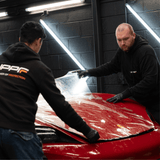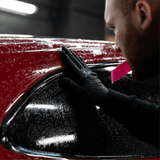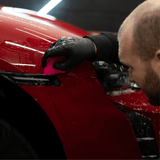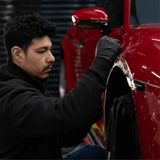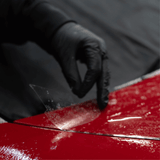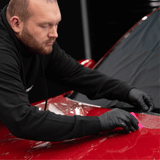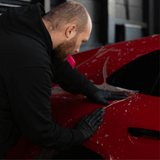
Plenty of drivers pick a styling kit for how it looks in photos. The real difference shows up on the car. Gaps, panel lines, and how the bumper sits against the wing- that is where the value lives.
A professionally fitted kit is not about vanity. It protects your car, keeps sensors working, and holds its value. It looks right from every angle.
Here is what good body kit installation services actually involve, and why the care pays for itself. This is not just bolting parts on.

Why Fitment Beats the Parts Themselves
Factory panels sit within tight tolerances, usually a few millimetres. Aftermarket parts rarely match that. ABS shrinks as it cools, polyurethane flexes, fibreglass warps when stored badly.
A good fitter reads the part before touching it. They trim, heat, shim and adjust. That is the difference between factory and aftermarket.
Fitment also affects safety in practice. A bumper that hangs low can scrape on speed ramps, and a poorly mounted splitter can catch the kerb.
What Professional Body Kit Installers Actually Do
Walk into any garage, and you hear the same story. Amateur-fitted kits cost more in paint and labour.
-
Test fitting every panel before paint, because adjustments are easier on bare plastic. Paint first and shim after; gaps always give the game away.
-
Mounting hardware that actually holds the part. Brackets, rivnuts and clips beat zip ties, especially on Irish roads with potholes.
-
Relocating parking sensors and cameras so they still work after the bumper changes shape. Blind spots cost more than the kit itself.
-
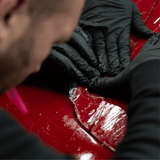
Sealing edges so moisture cannot creep into the joints and sit against bare metal. That is how rust starts under a perfect-looking kit.
-
Checking wheel, arch, and suspension clearance before the car leaves the ramp. Rubbing arches ruins paint and tyres.
That is what real body kit installation services look like, and it is worth paying for.
Custom Body Kit Installation Without the Guesswork
That is where experience shows. Most owners want something different. A deeper splitter, a smoothed rear valance, or cutouts for your exhaust.
Every cut changes the structure of the part. Exhaust heat softens plastic, so a sloppy cutout cracks within months. Experience tells you where to cut and reinforce.
The same logic applies to rear bumper installation. Valances sit close to hot exhausts and wet roads, so they need the right material. Polyurethane handles that better, but fitting takes a skilled hand.
How to Find the Best Body Kit Installation Shops
Good shops share a few habits. They show previous work, talk about problems, and tell you when a part is not worth fitting.
Body kit installation services are not all the same price. The lowest quote is rarely the cheapest outcome. A local body kit fitting shop is easier to deal with.
-
Ask for photos of fitment gaps, not just glamour shots. The honest photos tell you how they work on real cars.
-
Check whether they paint in-house. Sending parts across town adds delays, and paint matching gets harder with every transfer between workshops.
-
Look for a warranty on the fitting work. Parts fail, but the labour should not land on you with a bill and a shrug.
-
Ask about NCT implications if your car is due a test. Modified cars get looked at closely, so fitment needs to be spotless.
-
Start the insurance conversation before booking anything. Some policies need the work declared in writing, and a fitter's invoice makes that easy.
From Front Bumper Installation to Side Skirt Installation
The front gets the attention because it sets the face of the car. The skirts matter just as much. They sit close to the road, so they take stones, spray, and dirt. A bad fit traps all of it.
In Ireland, salt is an issue. Winter roads get hammered with it, and any gap in your styling parts becomes a rust trap. Sealing and proper alignment are not optional here.
Resale value is another angle people forget. A tidy, well-fitted kit makes a car easier to sell. A warped bumper with mismatched gaps puts buyers off.
Edge Detailing: More Than Just Styling
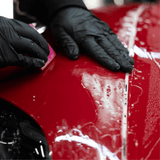
Edge Detailing in Cork fits styling parts alongside ceramic coating and paint protection film. Your new bumper should be protected before it meets Irish weather.
We stock cleaning products, so you can look after the kit at home.
If you want body kit installation services done properly, bring the car in for a chat. We will look at the parts and give you an honest answer.
Ready to see how proper fitment transforms your car?
Conclusion
Styling parts change how a car looks, but fitment decides how it ages. The details you never see matter most.
Look at real work, ask real questions, and do not rush it. A kit fitted well once beats a kit fitted twice.
Good body kit installation services are hard to spot until you have seen a bad one. Most people only notice when something rattles.
FAQ
How long does body kit installation take at Edge Detailing?
Most cars need a full day; some kits take two or three. Edge Detailing is one of the few body kit installation shops in Cork that handles everything in-house. Every panel gets test fitted, adjusted and sealed before sign-off.
Will fitting a body kit affect my insurance?
Yes, it will in most cases. Modifications change your risk profile, so tell your insurer before the work starts. Keep receipts and photos of the installation. Some Irish insurers ask for the fitter's details, so a proper invoice helps. That paperwork protects you later.
Will fitting a body kit damage my paintwork?
Not when it is done properly. A good fitter masks and protects the paint before work starts. Edges get sealed so moisture cannot creep underneath, and brackets are fitted so nothing rubs. Ask about paint protection film if you want an extra layer on the new parts.
What is the best material for a body kit?
It depends on the part and how you drive. Polyurethane flexes and survives kerb contact better. ABS is lighter and easier to paint, while fibreglass suits show cars that rarely move. We will recommend the right material for your car.
Can you fix a body kit fitted by someone else?
Often yes, depending on how much damage was done. Gaps can be adjusted, brackets replaced, and edges resealed. Paint issues are harder to reverse, so get a quote before buying a second kit. Bring the car in for a straight answer.